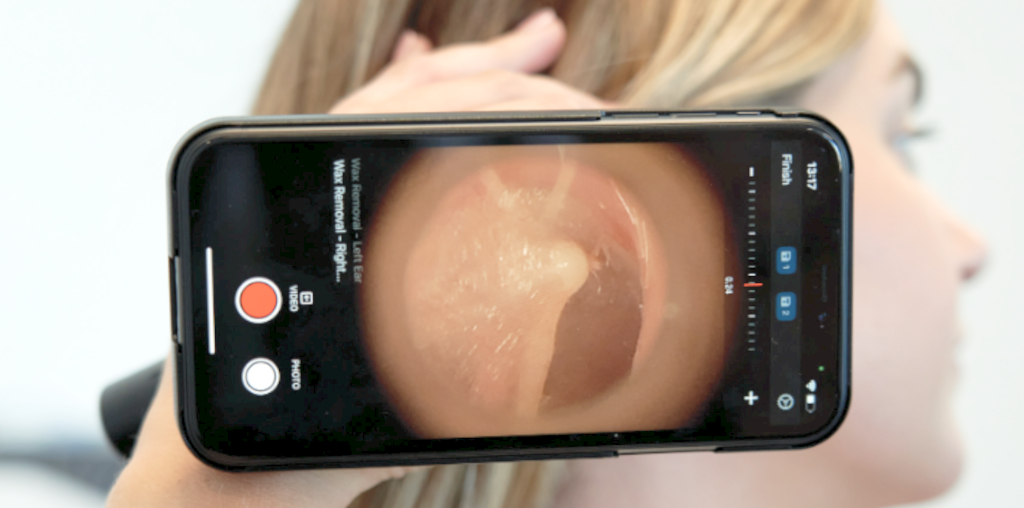
Prior to commencing the procedure, your clinician will discuss with you the benefits of removing wax from your ears. In order to check that it is safe to proceed you will be asked some questions about the health of your ears and general health. It will also be necessary to carry out a detailed visual examination of your ear/s and the wax present.
Pre-Procedure
You may be advised to soften the wax with olive oil prior to your appointment. Your ear/s may feel blocked following the application of an ear wax softener due to the expansion of the wax. If you are a hearing aid wearer it can be advisable to avoid wearing the hearing instrument/s when olive oil has recently been administered
Procedure
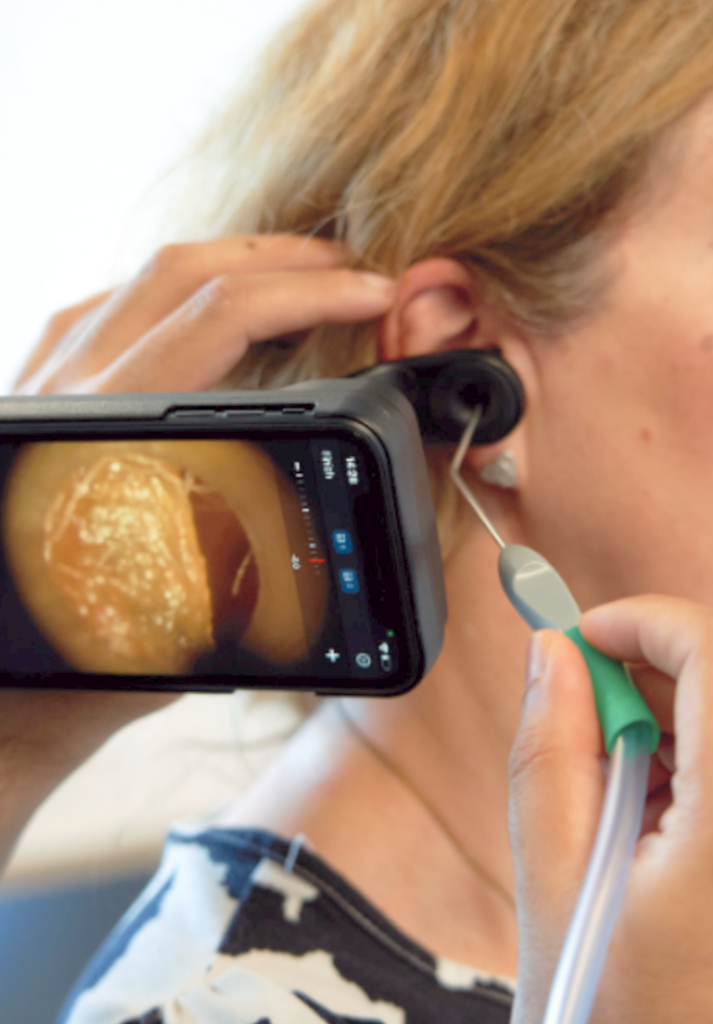
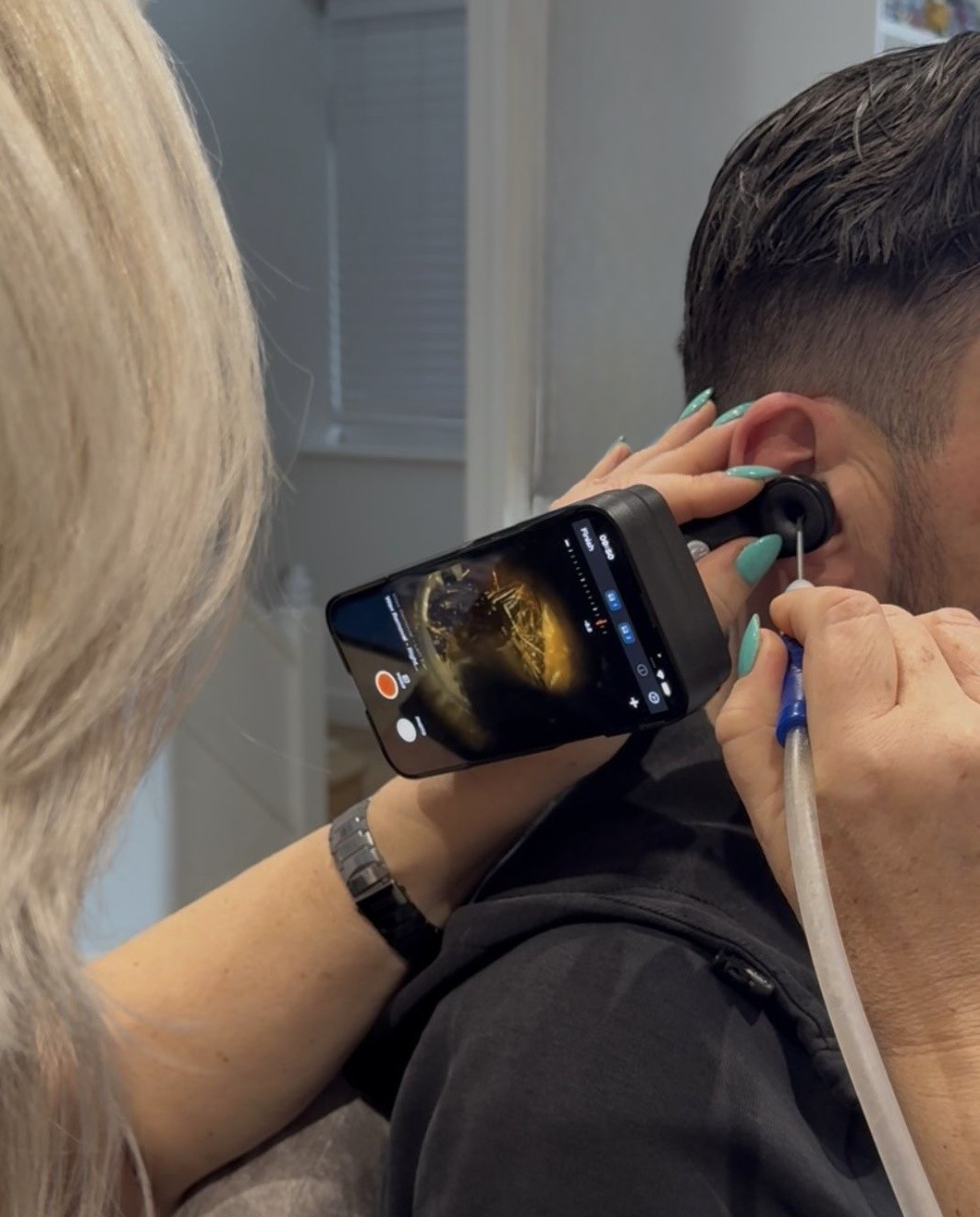
Two methods of wax removal may be used during your appointment, suction and/or manual extraction. This procedure can be noisy. Removal of wax deposits using manual extraction instruments, fine hand-held instruments are inserted carefully into your ear and used to gently extract the wax from the ear canal. These will not be used when the wax is deeply situated in the ear canal.
Risks
Your clinician has undertaken training and is certified as competent in ear care and wax removal and will use best-practice procedures to minimise any risk. However, even when performed with the utmost care, there are some risks involved in wax removal. These risks will be explained in the procedure.
Outcomes
If the wax cannot be removed; depending on the amount and consistency of the wax and your own comfort, it may not be possible to remove all of the wax in a single appointment. Further appointments may be required with further softening of the wax.
Onward Referral
In some situations, wax removal may be deemed unsuitable or need to be abandoned during the procedure. Most commonly this is because abnormalities of the ear are identified which require further assessment by your GP or an ENT specialist, making it inappropriate to proceed. It may be necessary to refer you to the procedure for a follow-up with a medical professional either directly (or via the “Tympa Cloud” Remote Review system) for further management, advice, or a second opinion.
Media Recorded
Before, during and after the procedure your clinician will record images and videos within your ear/s. This is for the following reasons: To request further advice or a second opinion from another suitably qualified medical professional, training and research and to ensure you, the patient, are as informed as possible
Aftercare
Keep ears dry for a minimum of 24 hours after the appointment. Inform your clinician and seek advice from an appropriately qualified medical professional immediately if any discomfort, pain, swelling, discharge, odour, or disruption to your hearing is experienced following the procedure.
CONSENT
You will be asked to sign on to the Tympa system
© Copyright 2026 | Privacy Policy